

Introduction
Welcome to our Napoleonic Wars Classroom Simulation – an interactive learning platform that transports students to the turbulent era of Napoleon Bonaparte’s conquests (1803–1815). This simulation is designed to have students role-play as European powers of the early 19th century, stepping into the shoes of generals, diplomats, and monarchs. Through a blend of military strategy and diplomatic negotiation, participants collaboratively re-enact historical scenarios from the Napoleonic Wars, making high-stakes decisions that could alter the balance of power in Europe. The site’s purpose is to bring this critical historical period to life in the classroom, allowing learners to actively engage with history rather than passively read about it.
In this simulation, history comes alive as students form alliances, devise battle plans, and negotiate peace treaties. The goal is to foster deep understanding and enthusiasm for history by immersing students in the era’s conflicts and diplomacy. By taking on the roles of key nations (such as France, Britain, Prussia, Austria, and Russia) and influential figures, students gain insight into the motivations and challenges these leaders faced. This experiential approach not only reinforces historical knowledge but also develops critical thinking and teamwork. The interactive, hands-on nature of role-play makes the past memorable and engaging for learners, transforming abstract dates and events into personal experiences. Ultimately, the site serves as a dynamic educational tool where military tactics meet diplomatic strategy, giving students a richer appreciation of the Napoleonic era’s complexity and legacy.
Assignment:
HISTORICAL ROLE REPORT due before the simulation
You will also be graded upon your active participation
Team France (Empire of France):
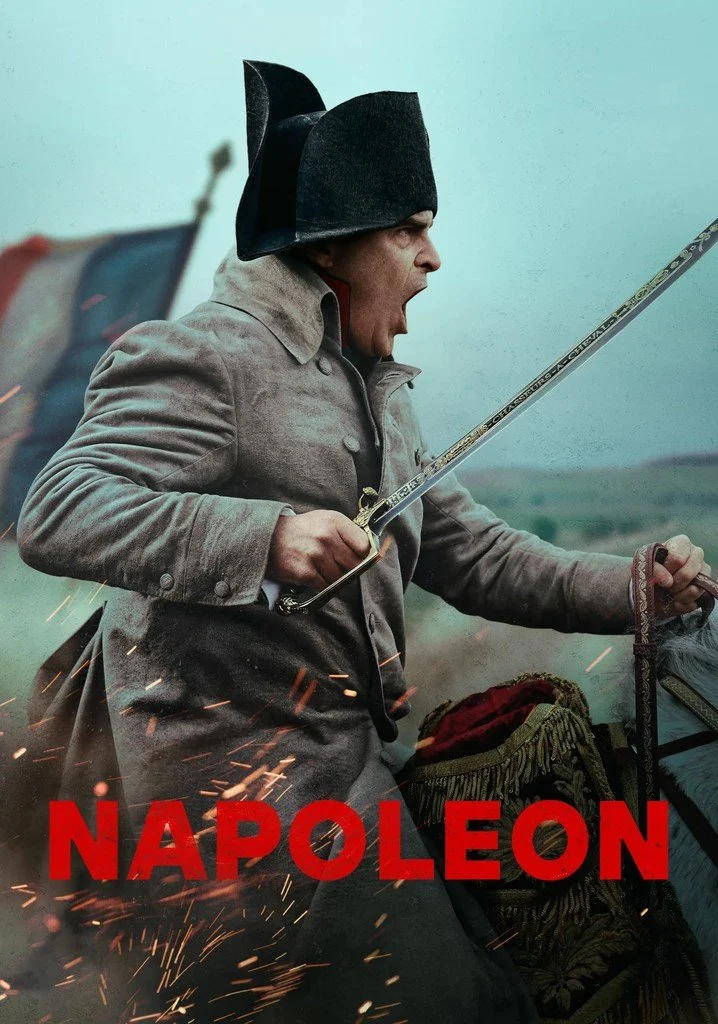
Overview of Team: By 1805, France is a dominant land power in Europe under Emperor Napoleon. Team France’s overarching goal is to secure French hegemony on the continent, compel Britain to cease opposition (by invasion or economic isolation), and establish a lasting Napoleonic dynasty. However, team members have different perspectives: Napoleon’s marshals seek glory in battle, diplomats seek stability or personal gain, and ministers manage the home front under strain. Internal trust is not absolute – some French statesmen quietly doubt Napoleon’s path.
Napoleon Bonaparte - Emperor of France
Charles Maurice de Talleyrand-Périgord – Foreign Minister
Joseph Fouché – Minister of Police and Internal Security
Team Britain (United Kingdom of Great Britain and Ireland)
Overview of Team: Britain in this era is Napoleon’s constant adversary. A maritime and economic superpower, Britain cannot match France’s land armies but uses its powerful Royal Navy and deep coffers to oppose French domination. The British strategy is to maintain a balance of power in Europe – bankrolling coalitions of continental powers to fight France on land, while Britain controls the seas, protects its trade empire, and picks off French colonies overseas. British team members include military leaders like Wellington and Nelson, who focus on defeating French forces in specific theaters, and statesmen like Castlereagh and Pitt who orchestrate the grand coalition strategy and manage finances. Britain’s main objectives: prevent France from invading or gaining naval superiority, sustain resistance against Napoleon until he can be defeated, and secure British economic interests (like free trade, colonial expansion, etc.). Morale at home matters too – war has been long and costly, and Britain saw short-lived peace (Treaty of Amiens 1802–03) but is otherwise at war with France continuously from 1803 onward. The team must measure public support, but historically British resolve remained strong overall, helped by propaganda about fighting tyranny and by avoiding invasion.
General Arthur Wellesley, Duke of Wellington – Commander of British Army in the Peninsular War
Admiral Horatio Nelson (Viscount Nelson) – Commander of the Royal Navy’s Mediterranean Fleet
Viscount Castlereagh (Robert Stewart) – Foreign Secretary and Coalition Builder
William Pitt “the Younger” – Prime Minister (until 1806) and Chancellor of Exchequer
Sir John Moore - General (Commander of British Forces in early Peninsular War)
Team Austria (Austrian Empire)
Overview of Team: Austria (the Habsburg Monarchy) is one of Napoleon’s chief adversaries, having fought him repeatedly (1796-97, 1800, 1805, 1809) and finally joining the coalition of 1813-14 after initially sitting out 1812. Austria’s aims are to survive as a great power and eventually roll back French dominance in Central Europe (they lost the Holy Roman Empire and territory in earlier defeats). The team includes Emperor Francis I (who must make the final calls on war or peace), his top diplomats like Metternich and Stadion, top generals like Archduke Charles, and administrators focusing on finances (Austria’s economy was under strain, culminating in bankruptcy in 1811). After defeats, Austria often switched strategies: sometimes making peace and even allying via marriage (1810), other times rearming in secret to strike again (1809 war was partly a surprise re-armament after 1805). The dynamic is caution vs. vengeance: some Austrians (like Emperor and some ministers) were cautious after Austerlitz, others like Stadion were hawkish wanting a re-match. By 1813, Metternich leads Austria to play power-broker: holding off commitment until Napoleon is weak post-Russia, then joining Allies to ensure Austria’s leading role in the victory (and to moderate outcomes). The team must manage limited resources – Austrian army was large but not as effective early on, improved by 1809 with reforms, but still needed coalition help. Also, maintain internal stability among many nationalities (Austrians, Hungarians, Czechs, etc.) and handle war-weariness after big losses.
Archduke Charles of Austria - Generalissimo and Reformer
Klemens von Metternich - Diplomat and Foreign Minister
Johann Philipp Stadion - Statesman and War Hawk (Finance & Foreign)
Count Johann von Liechtenstein - Military Diplomat & Cavalry Commander
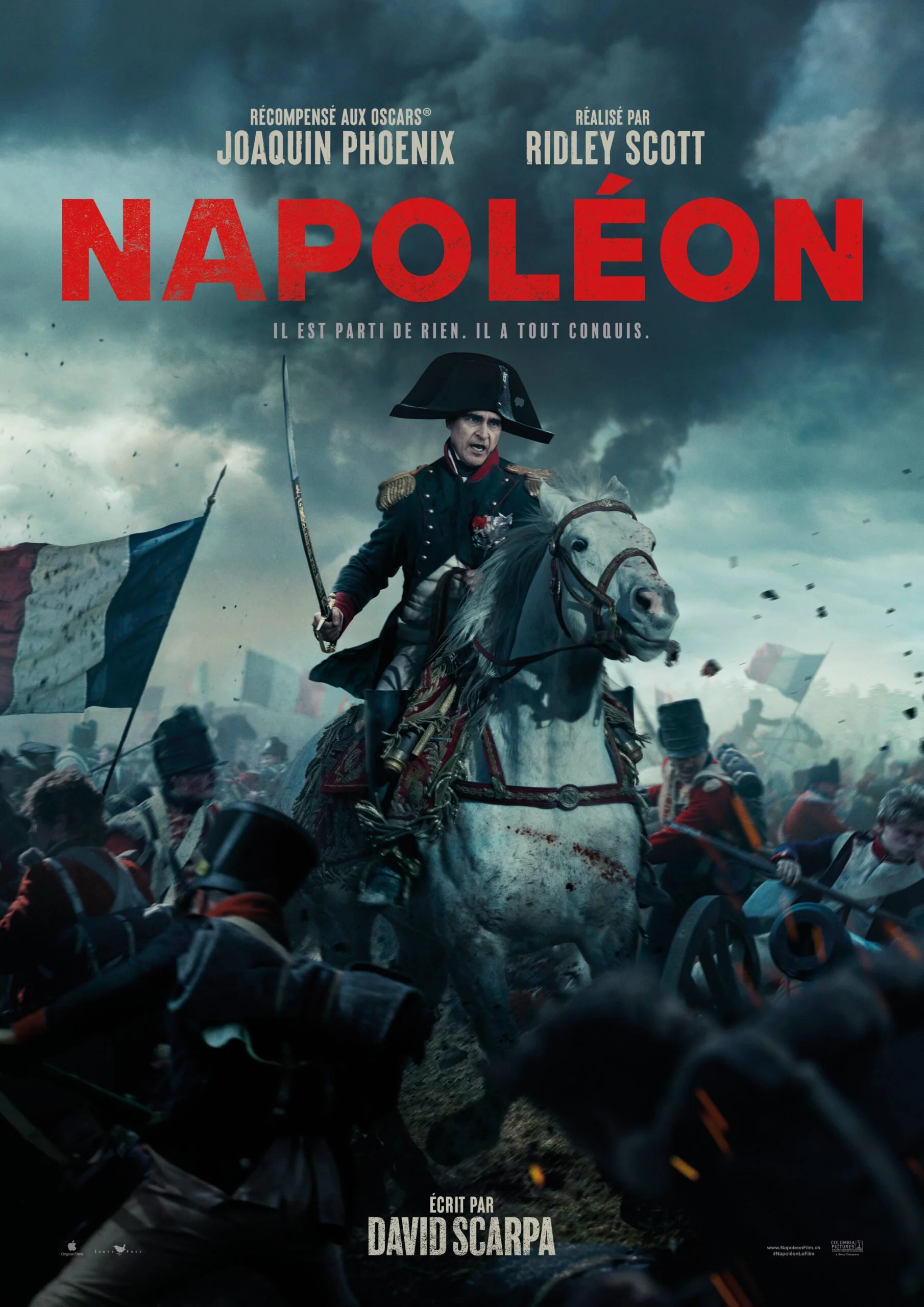
Team Prussia (Kingdom of Prussia)
Overview of Team: Prussia’s trajectory was initial neutrality (1796-1805), disastrous defeat (1806), then enforced alliance with Napoleon (1807-1812, albeit resentful), and finally rebellion and leadership in the War of Liberation (1813). The team includes King Frederick William III, who is indecisive but patriotic; statesmen like Baron vom Stein and Karl von Hardenberg who implemented sweeping reforms after 1806; military figures like General Blücher (embodiment of anti-French zeal) and General Scharnhorst/Gneisenau who reformed the Prussian army (introducing universal service, meritocracy, etc.). Prussia’s aims: avenge humiliation from Jena, restore its lost territories (half its kingdom taken at Tilsit), and ensure its survival by destroying Napoleon’s dominance. They had to bide time until opportunity (they seized it after French defeat in Russia – Yorck’s defection Dec 1812 began Prussia’s rising). The team must manage initial weakness, implement reforms, then explode onto scene in 1813. Also, interplay: King was timid to defy Nap until sure of Russian help; reformers sometimes acted semi-independently (Stein took initiative influencing East Prussia to rise, Yorck’s truce with Russians was technically treason that forced King’s hand). So some internal tension: reform faction vs old conservative generals (though by 1813 most old guard gone, reformers took lead). They all agree on freeing Prussia from French yoke.
King Frederick William III of Prussia
Baron vom Stein - Reformer and Patriot (Minister)
General Gebhard von Blücher - Prussian Field Marshal
General Gerhard von Scharnhorst - Military Reformer and Chief of Staff
Karl August von Hardenberg - Prussian Chancellor (Reformist Statesman)
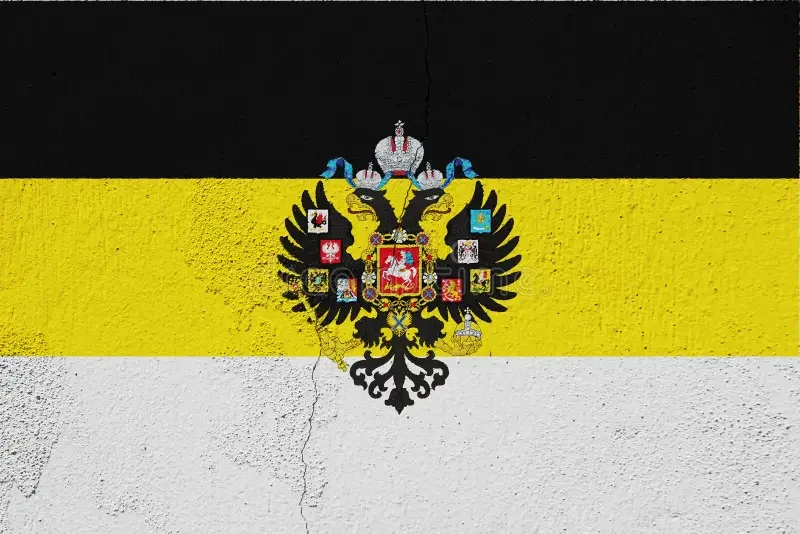
Team Russia (Russian Empire)
Overview of Team: Russia is the largest and most unpredictable force in Europe. Initially an enemy of Revolutionary France, then an uneasy ally after the Treaty of Tilsit (1807), Russia was dragged back into war when Napoleon’s Continental System clashed with its economic survival. The disastrous French invasion of 1812 turned the tide. Russia now leads the charge to crush Napoleon and reshape Europe.
Tsar Alexander I (Emperor of Russia)
Foreign Minister (Count Nikolay P. Rumyantsev)