
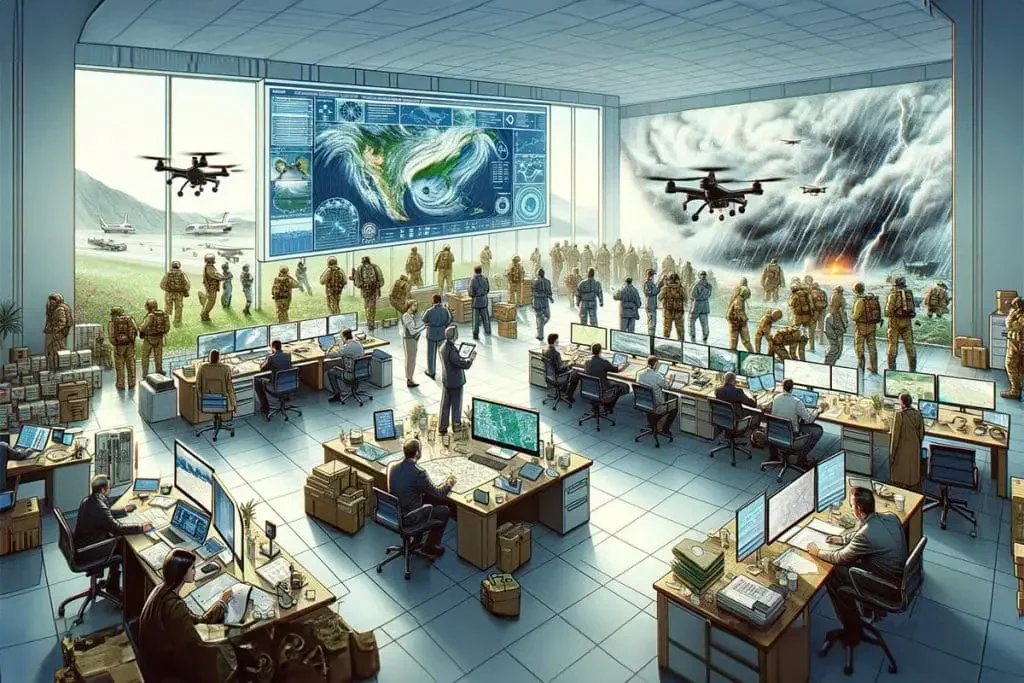
Floodline Crisis: Federalism Simulation
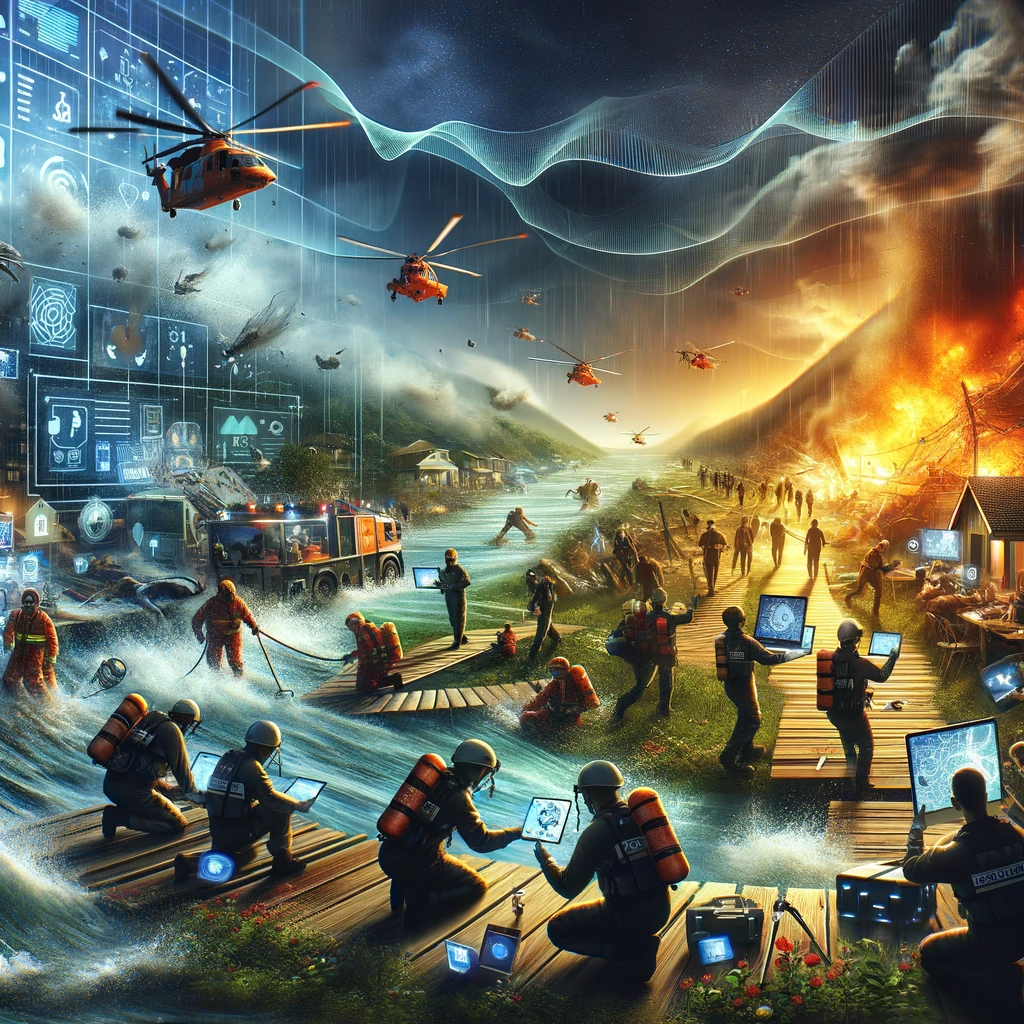
THE FLOODLINE CRISIS: Who’s in Charge?
Last night the Floodline River overflowed after a historic storm. Bridges collapsed, neighborhoods flooded, the wastewater plant shut down, and thousands are without power. Emergency response is underway—but confusion over who has authority is slowing everything down.
You will take on the role of different levels of government and stakeholders. Your job is to coordinate a lawful, effective response using the powers and limits of American federalism.
Goals:
1. Identify what powers your level of government has.
2. Determine what you need from other levels of government.
3. Respond to unfolding crises.
4. Craft a coordinated federalism response plan.
FEDERALISM POWERS CHART
LOCAL GOVERNMENT
· Police, firefighters, EMS
· Local zoning & building codes
· Local roads, bridges
· Emergency shelters
· Utilities (water, wastewater, local power grid)
· Cannot deploy National Guard
· Cannot directly request most federal funding without state approval
STATE GOVERNMENT
· National Guard command
· State police
· State environmental protections
· Interstate commerce (limited)
· Oversees FEMA requests
· Coordinates local governments
· Can declare a state emergency
· Cannot intervene on tribal lands without permission
FEDERAL GOVERNMENT
· FEMA disaster aid
· Army Corps of Engineers (waterways, dams, levees)
· EPA (environmental protection, cleanup)
· Federal grants: block grants, categorical grants
· Interstate roads & bridges
· Cannot take over unless invited or legally authorized
· Must operate within constitutional and statutory limits
TRIBAL GOVERNMENT
· Sovereign authority over tribal lands
· Direct federal-to-tribal aid
· Tribal police & emergency management
· Complicates state jurisdiction
NGOs & PRIVATE SECTOR
· Red Cross, Salvation Army, local nonprofits
· Volunteer coordination
· No legal power—high public pressure
· Businesses demand quick reopening
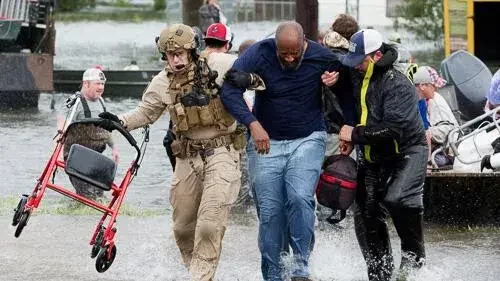
ROLE CARDS
Each card includes: powers, limitations, political pressure, and objectives.
Roles can be doubled if the class is large.
LOCAL GOVERNMENT
1. Mayor – Needs immediate relief; faces angry public; limited budget.
2. City Council Rep – Controls local ordinances; must balance economy vs. safety.
3. Emergency Manager – Knows logistics; overwhelmed by infrastructure failures.
STATE GOVERNMENT
4. Governor – Controls the National Guard; must coordinate statewide response.
5. State Legislator – Concerned about cost; resists overreliance on federal aid.
6. State EPA Director – Worried about toxic runoff; conflicts with federal EPA.
FEDERAL GOVERNMENT
7. FEMA Director – Can release funds only after proper declarations.
8. Army Corps Engineer – Focuses on rivers, levees, structural repair.
9. Federal EPA Officer – Demands strict compliance with environmental law.
TRIBAL + NGOs
10. Tribal Council Chair – Insists on sovereignty; seeks direct federal aid.
11. Red Cross Coordinator – Brings volunteers; influences public opinion.
12. National Guard Commander – Technically state-controlled; limited autonomy.
CRISIS CARDS DECK
1. Interstate Bridge Collapse – Federal jurisdiction triggered.
2. Chemical Tanker Spill – EPA vs. State EPA conflict.
3. National Guard Deployment Delay – Governor & mayor dispute authority.
4. FEMA Paperwork Error – Funding withheld; blame game begins.
5. Tribal Lands Flooded – Tribal sovereignty dispute.
6. Evacuation Order Ignored – Local police overwhelmed.
7. Hospital Generator Failure – State vs. federal emergency medicine support.
8. Looting in Commercial District – National Guard? Local police?
9. Business Coalition Threatens Lawsuit – Wants immediate road access.
10. Environmental Group Files Injunction – Attempts to halt reconstruction.
11. Bridge Repair Contract Dispute – State vs. federal contracting rules.
12. Federal Mandate Imposed – Strings attached to FEMA funds.
13. Governor Accused of Overreach – Counties resist centralized control.
14. Tribal Emergency Declaration – Tribal police request federal backup.
15. Water Plant Contamination – Army Corps needs authority to intervene.
16. Media Exposes Delays – Public pressure skyrockets.
NEGOTIATION WORKSHEET
Students fill this out during the Federalism Summit.
Part 1: What powers do we actually have?
Part 2: What resources do we control?
Part 3: What do we need from other levels of government?
Part 4: Proposed cooperative actions
Part 5: Identify potential conflicts
Part 6: Final plan for immediate + long-term recovery
PUBLIC/MEDIA SCORE SHEET
Rate each team (1–10) on:
· Effectiveness
· Legal accuracy
· Cooperation
· Public trust
· Speed of response
Commentary section:
“What failure or conflict slowed down the crisis response the most?”
REFLECTION QUESTIONS
1. Which level of government had the most real power during the crisis?
2. Which level faced the most political pressure?
3. How did grants, mandates, or federal paperwork influence outcomes?
4. When did cooperative federalism work well?
5. When did competitive federalism cause problems?
6. How does this simulation mirror real events like Hurricane Katrina or the COVID pandemic?