
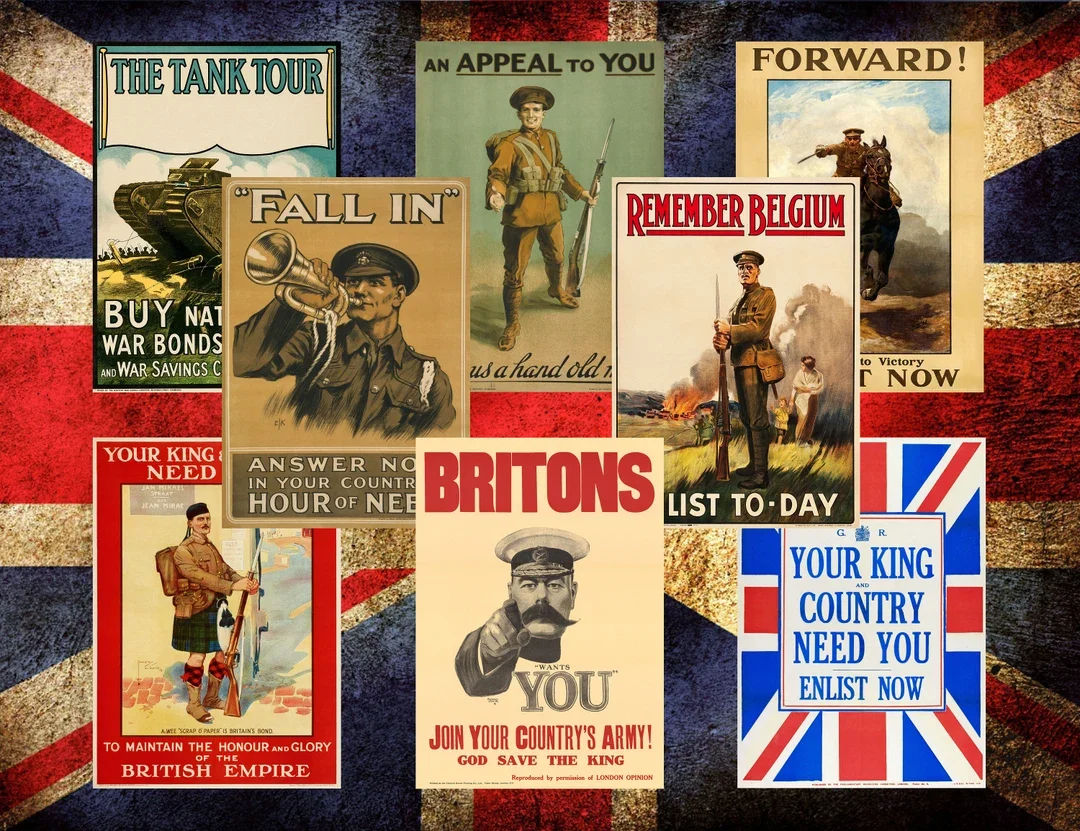
Deadlocked: World War I Strategy Simulation
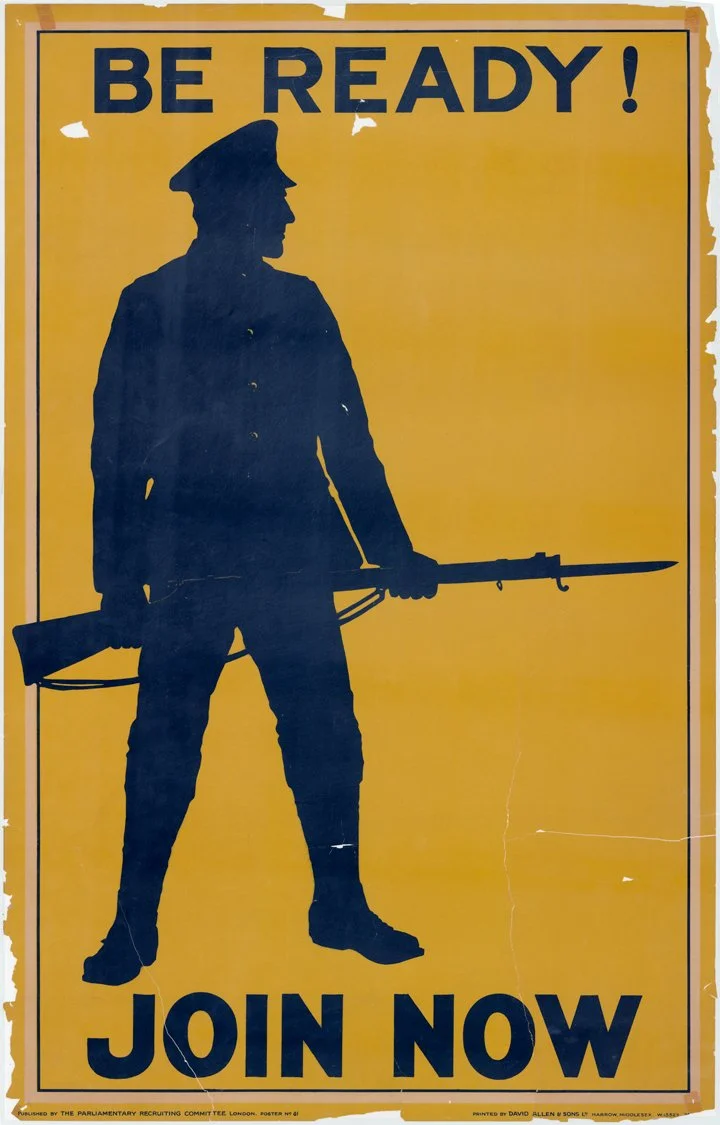
Deadlock World War I Strategy Simulation
Strategy, Diplomacy, and the Fate of Nations
In this simulation you will take on the role of national leaders, generals, and diplomats during World War I. Your team will represent a major power and must make decisions that shape the course of the war.
Victory will depend not only on winning battles, but also on alliances, diplomacy, domestic stability, and strategic objectives.
This simulation recreates the difficult choices faced by real leaders during the war.
Your Mission
Each nation begins the war with different strengths, weaknesses, and strategic priorities. Your goal is to:
• defend your nation
• weaken your enemies
• maintain support at home
• achieve your secret objectives
The nation with the most success across military, political, and diplomatic goals will emerge victorious.
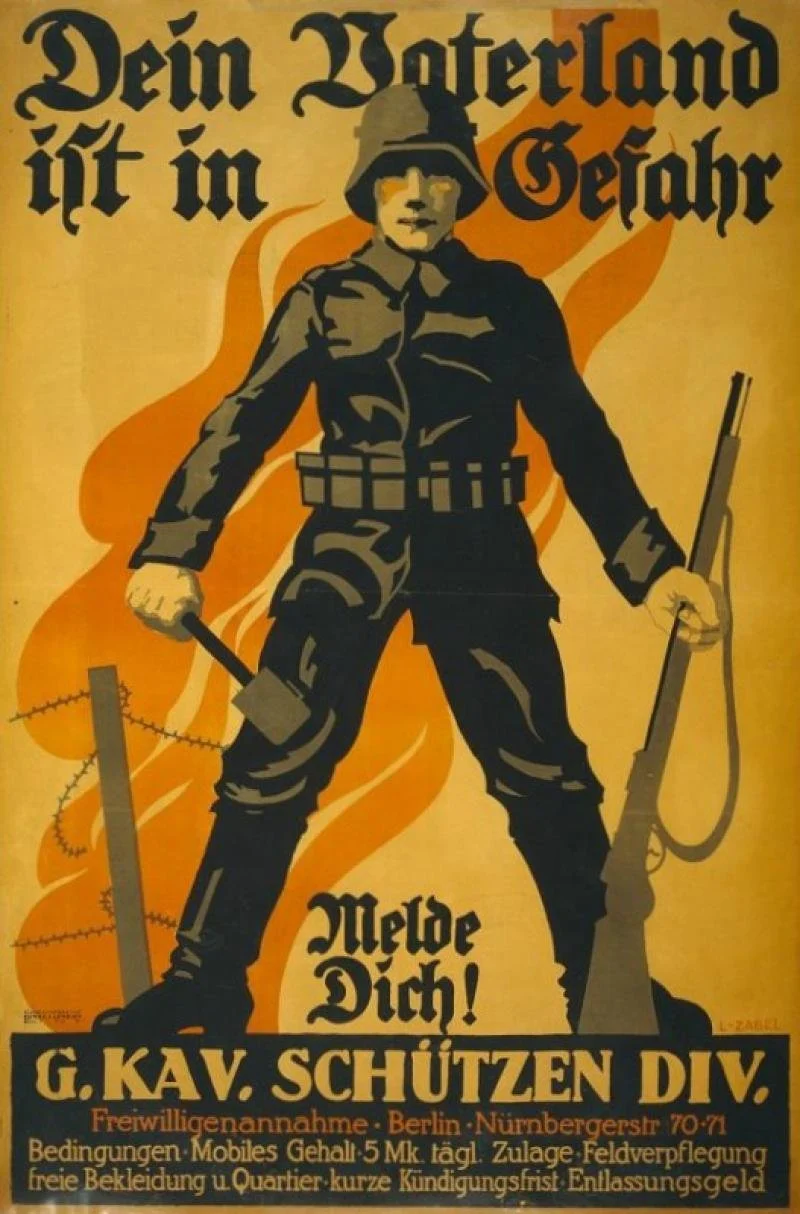
Germany
Germany enters the war as Europe’s strongest industrial and military power, surrounded by potential enemies and determined to secure its place as a dominant continental force. German leaders hope to defeat France quickly in the west while preventing Russia from overwhelming the eastern frontier. Diplomatically, Germany seeks to keep allies such as Austria-Hungary and the Ottoman Empire strong while isolating Britain and discouraging new nations from joining the Allied side. Germany begins the simulation with significant advantages in industry, rail mobility, and strong defensive positions along the Western Front, but it must balance aggressive offensives with the risk of fighting a long war on multiple fronts.
Kaiser Wilhelm II
Theobald von Bethmann Hollweg (Chancellor)
Helmuth von Moltke the Younger (Chief of the General Staff)
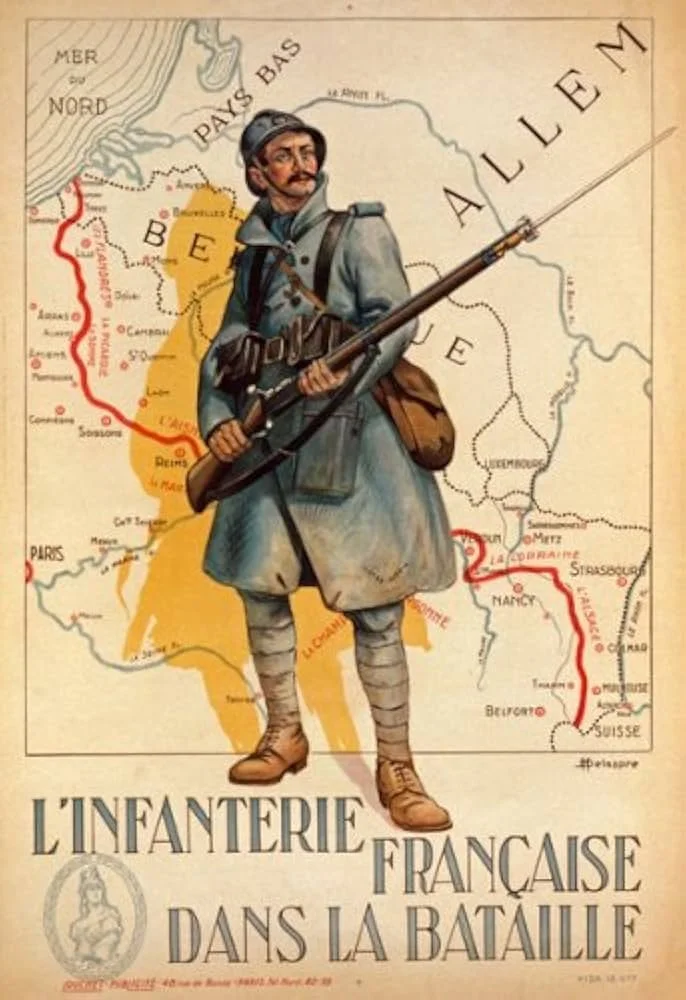
France
France enters the war determined to defend its territory and reclaim the region of Alsace-Lorraine, which was lost to Germany decades earlier. French leaders rely heavily on alliances, particularly with Britain and Russia, to counter Germany’s powerful army. Diplomatically, France hopes to maintain Allied unity and bring additional partners into the war to increase pressure on the Central Powers. France’s greatest strengths are its defensive terrain, strong national resolve, and its central role in the Allied coalition, but it must carefully manage casualties and public morale during what may become a prolonged and exhausting conflict.
Raymond Poincaré (President)
René Viviani (Premier and Foreign Affairs Minister)
Joseph Joffre (Commander-in-Chief)
Great Britain
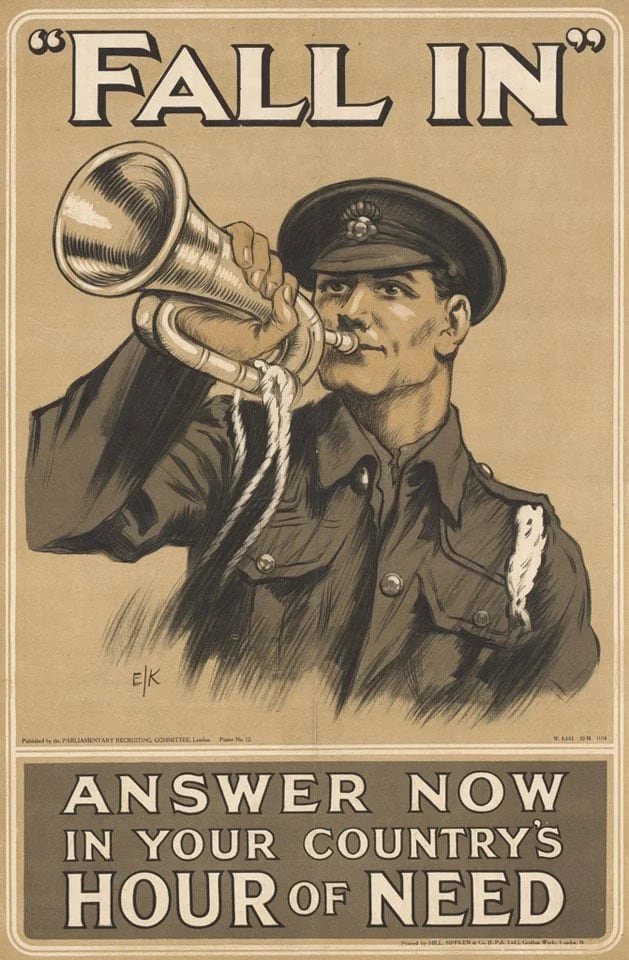
Britain joins the war primarily to maintain the balance of power in Europe and prevent Germany from dominating the continent. As the world’s leading naval power, Britain focuses on controlling sea lanes, protecting global trade, and using its navy to blockade enemy economies. Diplomatically, Britain seeks to strengthen alliances, bring neutral powers—especially the United States—closer to the Allied cause, and coordinate strategy with France and other partners. Britain begins the simulation with powerful naval forces, access to global resources, and strong financial capacity, but it must rely on coalition warfare and careful coordination with allies to achieve victory on land.
H. H. Asquith (Prime Minister)
Sir Edward Grey (Foreign Secretary)
David Lloyd George (Chancellor of the Exchequer)
Russia
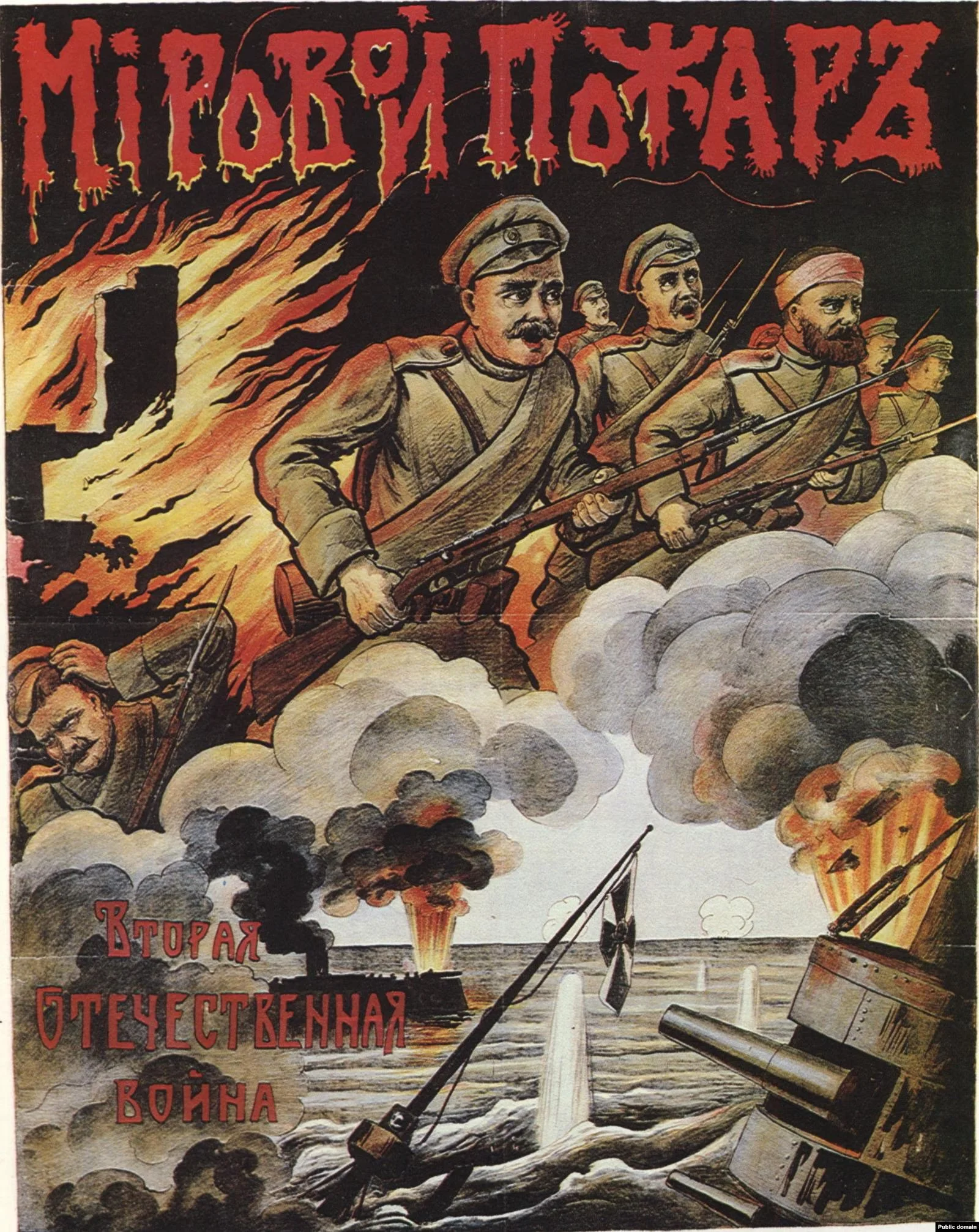
Russia enters the war as the largest empire in Europe, capable of fielding enormous armies but facing internal political pressures and logistical challenges. Russian leaders hope to defend Slavic nations such as Serbia while expanding influence in Eastern Europe and the Balkans. Diplomatically, Russia works to maintain cooperation with France and Britain while discouraging Central Power advances along its vast borders. Russia’s advantages include a massive population and the ability to fight on multiple fronts, but the empire must manage economic strain, supply difficulties, and the growing risk of domestic unrest if the war drags on.
Tsar Nicholas II
Sergei Sazonov (Foreign Minister)
Vladimir Sukhomlinov (War Minister)
Austria-Hungary
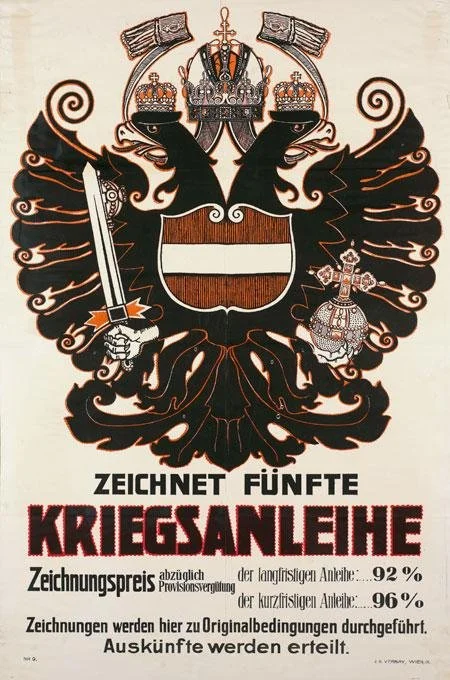
Austria-Hungary enters the war determined to preserve its multi-ethnic empire and eliminate the nationalist threats emerging from the Balkans. The government hopes to defeat Serbia quickly and restore its authority in southeastern Europe while relying on Germany for military support against Russia and other enemies. Diplomatically, Austria-Hungary seeks to maintain stability within the empire and secure loyalty among its allies while discouraging additional nations from joining the war against it. The empire begins with a large but diverse army and strategic position in Central Europe, but it must carefully manage internal divisions and multiple military fronts.
István Tisza (Prime Minister of Hungary)
Leopold Berchtold (Foreign Minister)
Franz Conrad von Hötzendorf (Chief of Staff)
Italy
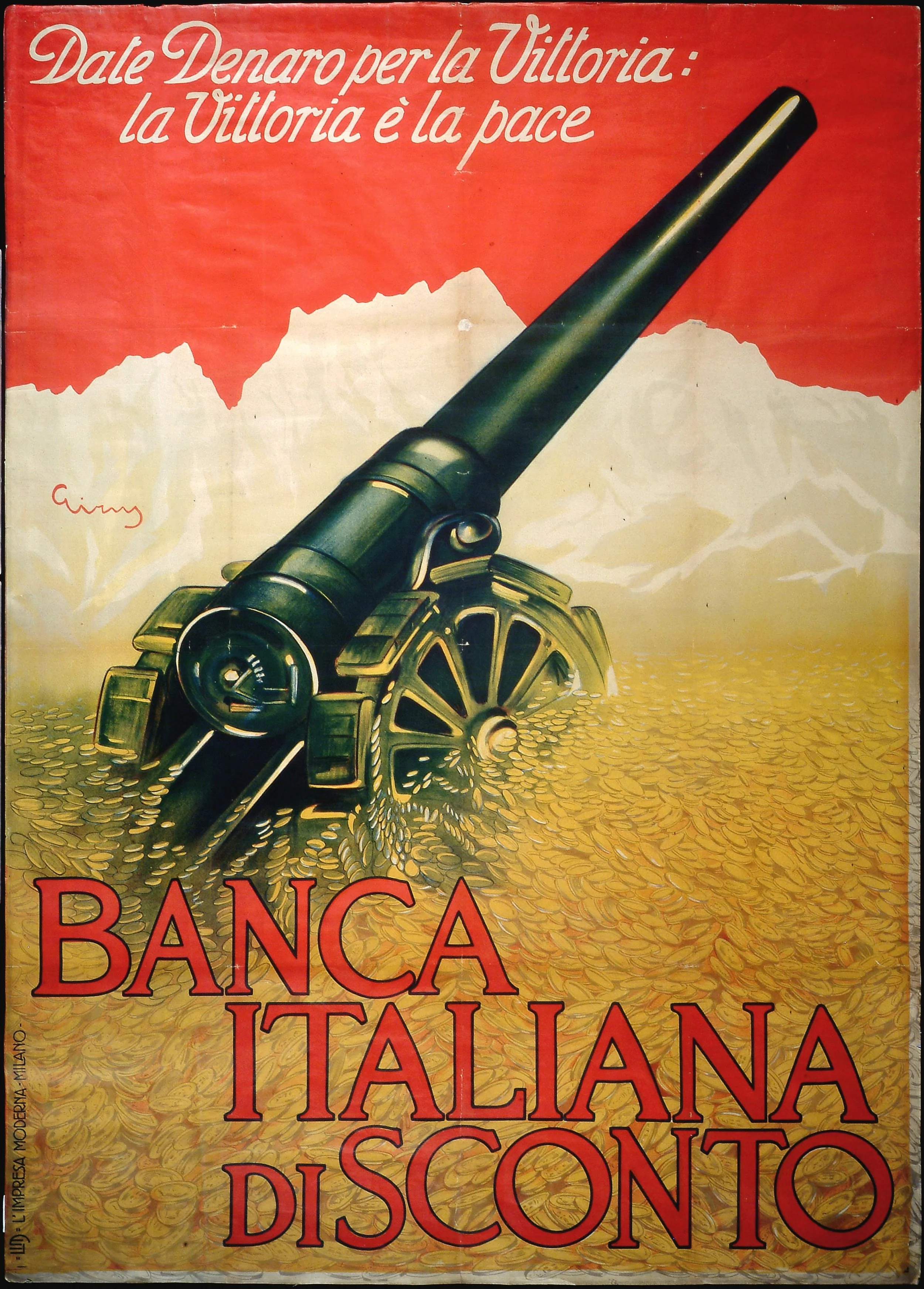
Italy enters the war cautiously, initially remaining neutral while carefully weighing which side can offer the greatest political and territorial rewards. Italian leaders hope to expand their influence in the Alps and along the Adriatic coast, particularly in territories controlled by Austria-Hungary that contain Italian-speaking populations. Diplomatically, Italy may negotiate with both alliances, using its strategic position to secure promises of land or influence before committing fully to the conflict. Italy’s advantages include strong defensive terrain in the Alps, the ability to choose the timing of its entry into the war, and the potential to shift the balance of power once it commits to a side.
Antonio Salandra (Prime Minister)
Antonino di San Giuliano (Foreign Minister)
Victor Emmanuel III (King of Italy)
Luigi Cadorna (Chief of the General Staff)
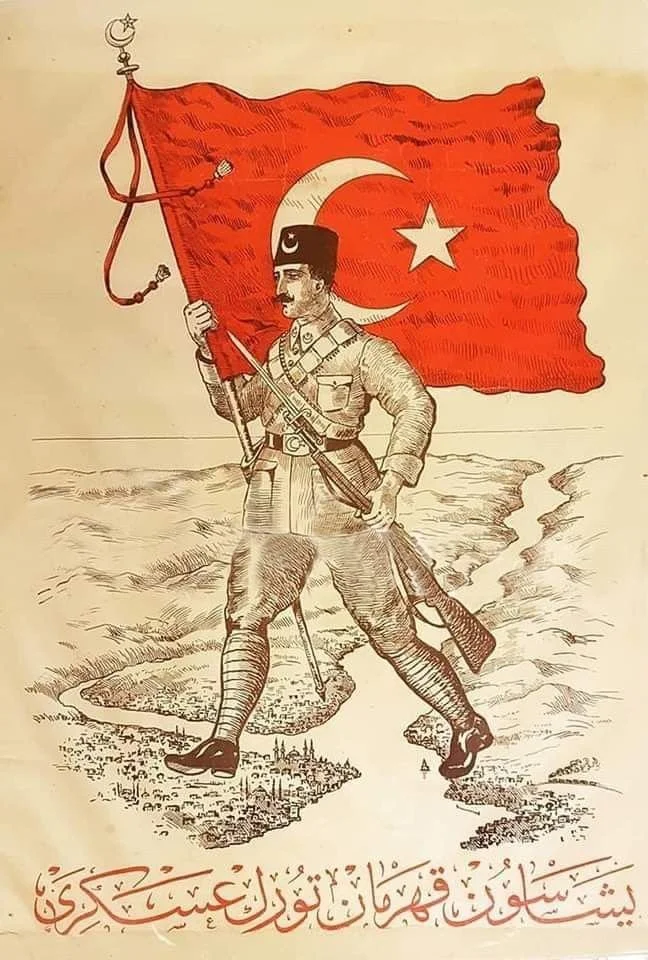
Ottoman Empire
The Ottoman Empire enters the conflict hoping to defend its remaining territories and restore its influence in the Middle East and eastern Mediterranean. Ottoman leaders aim to challenge British and Russian expansion while strengthening alliances with the Central Powers. Diplomatically, the empire may attempt to encourage unrest among enemy colonial territories or shift the balance of power in strategically important regions such as the Suez Canal and the Caucasus. The Ottoman Empire begins the simulation controlling key geographic chokepoints and vast territory, but it faces challenges in industrial capacity and must rely on strategic positioning and alliances to remain competitive.
Ismail Enver Pasha (Minister of War)
Ahmed Djemal Pasha (Minister of the Navy)
Said Halim Paşa (Grand Vizier / Chief Minister)
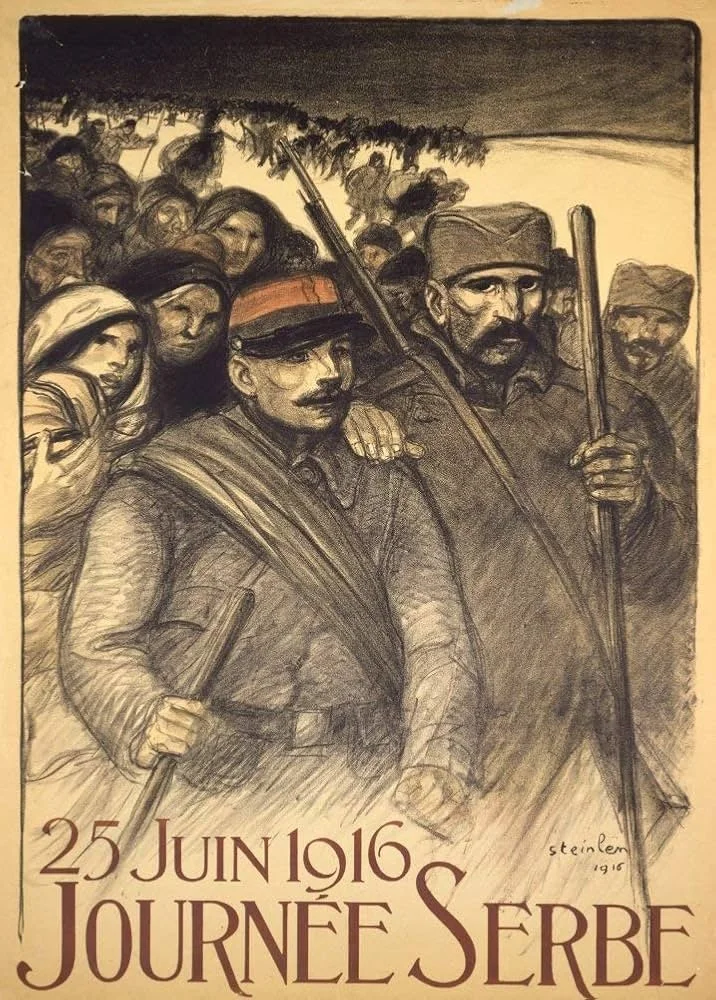
Serbia
Serbia stands at the center of the crisis that ignited the war and must defend itself against the far larger Austro-Hungarian Empire. Serbian leaders hope to preserve national independence and strengthen the idea of a unified Slavic region in the Balkans. Diplomatically, Serbia depends heavily on support from powerful allies—especially Russia—and must work to keep international sympathy on its side. Serbia begins the simulation with highly motivated troops and strong defensive terrain in mountainous regions, but its small population and limited resources mean it must rely on alliances, strategic defense, and careful planning to survive against larger enemies.
Nikola Pašić (Prime Minister)
Radomir Putnik (Chief of the General Staff)
Dragutin Dimitrijević (“Apis,” Intelligence / Black Hand)
Simulation Structure
Each round represents a phase of the war.
1. Diplomacy Phase
Teams may negotiate with other nations.
You may:
form alliances
coordinate attacks
promise territory
threaten rivals
All agreements should be carefully considered.
2. Recruitment Phase
Nations spend mobilization points to build new units.
You may recruit:
infantry
artillery
tanks
naval units
3. Movement Phase
Military units move across the map into neighboring regions.
Movement decisions determine where battles will occur.
4. Battle Phase
If opposing armies occupy the same region, a battle occurs.
Units roll dice based on their attack and defense ratings.
Trenches and terrain can give defenders an advantage.
5. Event Phase
Historical crisis cards and strategic cards introduce unexpected developments such as:
diplomatic tensions
technological changes
revolutions
economic crises
Teams must debate how to respond.
Diplomacy
Diplomacy is one of the most powerful tools in the game.
You may attempt to:
• convince neutral nations to support your side
• coordinate attacks with allies
• trade future territorial promises
• threaten enemies with military action
• secretly negotiate peace
Remember: not all promises must be honored.
Public Support
War places enormous strain on each nation.
Public support may rise or fall depending on:
battlefield victories or defeats
propaganda efforts
economic conditions
war exhaustion
If support falls too low, political instability or revolution may occur.
Secret Objectives
Each nation begins with several secret objectives.
These represent the real strategic goals of your country.
Examples include:
protecting key cities
capturing strategic regions
bringing new allies into the war
weakening rival powers
Only your team knows these objectives unless you choose to reveal them during negotiations.
Winning the Simulation
Victory is determined by a combination of factors:
• military success
• territorial control
• alliances
• public support
• completion of secret objectives
The war will end after several rounds or when major political events force a settlement.
Strategic Advice
Successful teams usually:
• cooperate closely within their team
• communicate constantly with allies
• balance risk and caution
• think about long-term consequences
• adapt to unexpected events
Remember: the goal is not simply to fight battles, but to win the war.