

American Neutrality War Room Simulation (1914–1917)
The American Neutrality War Room is an interactive World War I classroom simulation that immerses students in the political tensions facing the United States between 1914 and 1917. Through role-based decision making, students act as President Woodrow Wilson, military advisors, economic leaders, peace advocates, and members of the press as they respond to real historical crises including American–Mexican relations, German U-boat warfare, the Lusitania, the Zimmermann Telegram, and the Russian Revolution.
Instead of passively taking notes, students weigh public opinion, economic interests, diplomacy, and global politics while tracking how each decision pushes the nation closer to—or further from—war. This hands-on history activity strengthens critical thinking, historical reasoning, and civic understanding while covering essential WWI neutrality content in a time-efficient format.
ROLES:
President Woodrow Wilson
Diplomats and Secretary of State
Military Advisors - General John J. Pershing and Franklin D. Roosevelt
Economic & Banking Interests
Public Opinion & Press
Progressive Peace Coalition - Jeannette Rankin and Progressivist Perspective
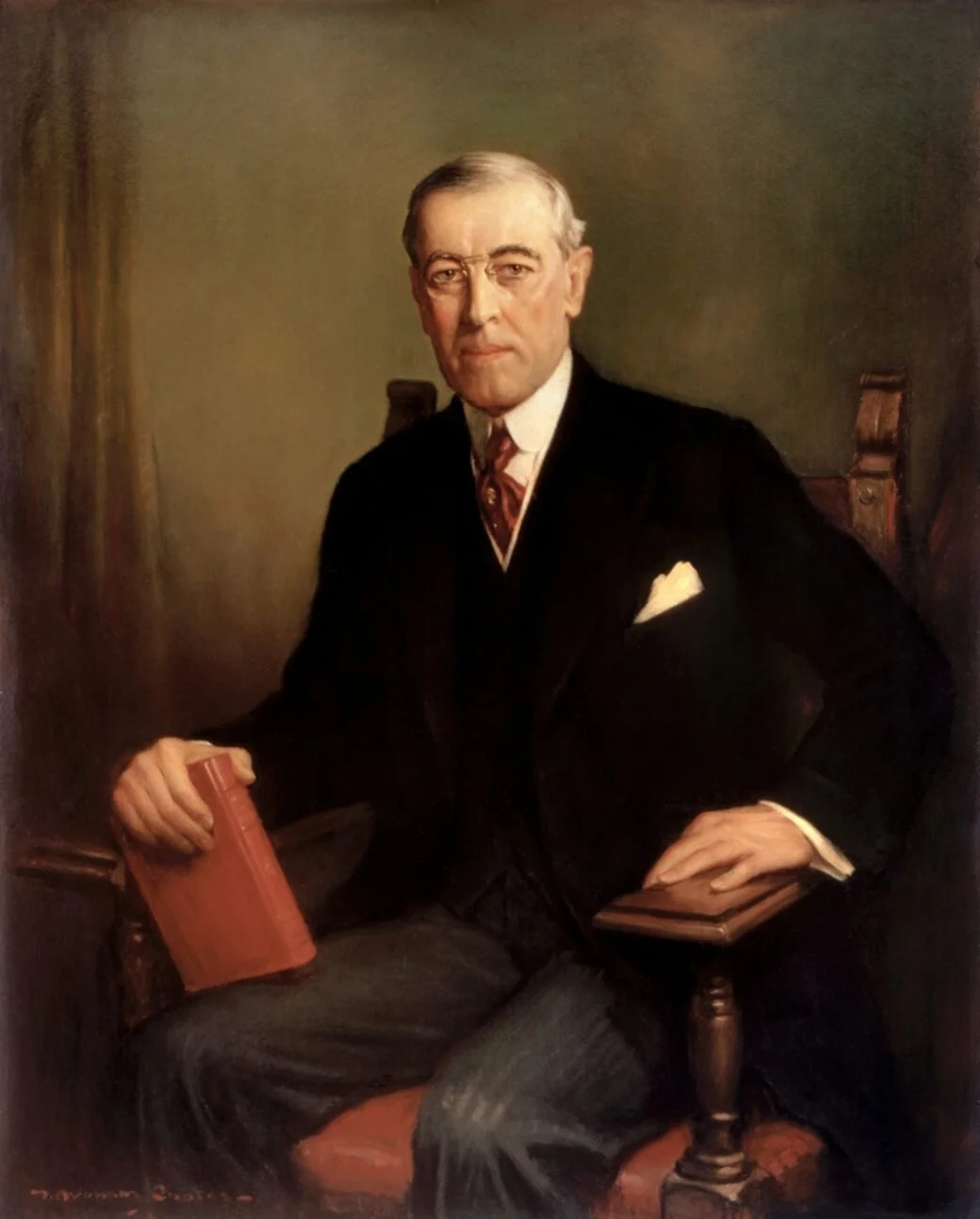
PRESIDENT WOODROW WILSON
Your Core Belief:
America must remain neutral — but protect its honor and rights.
Priorities:
Preserve neutrality
Protect American lives
Maintain moral high ground
Avoid appearing weak
You Care Most About:
☐ International law
☐ America’s global image
☐ Long-term peace
Historical Pressure Points:
“Freedom of the Seas”
Lusitania deaths
Sussex Pledge
Zimmermann Telegram
“Peace without victory”
“The world must be made safe for democracy.”
Your Dilemma:
How long can neutrality survive repeated provocations?
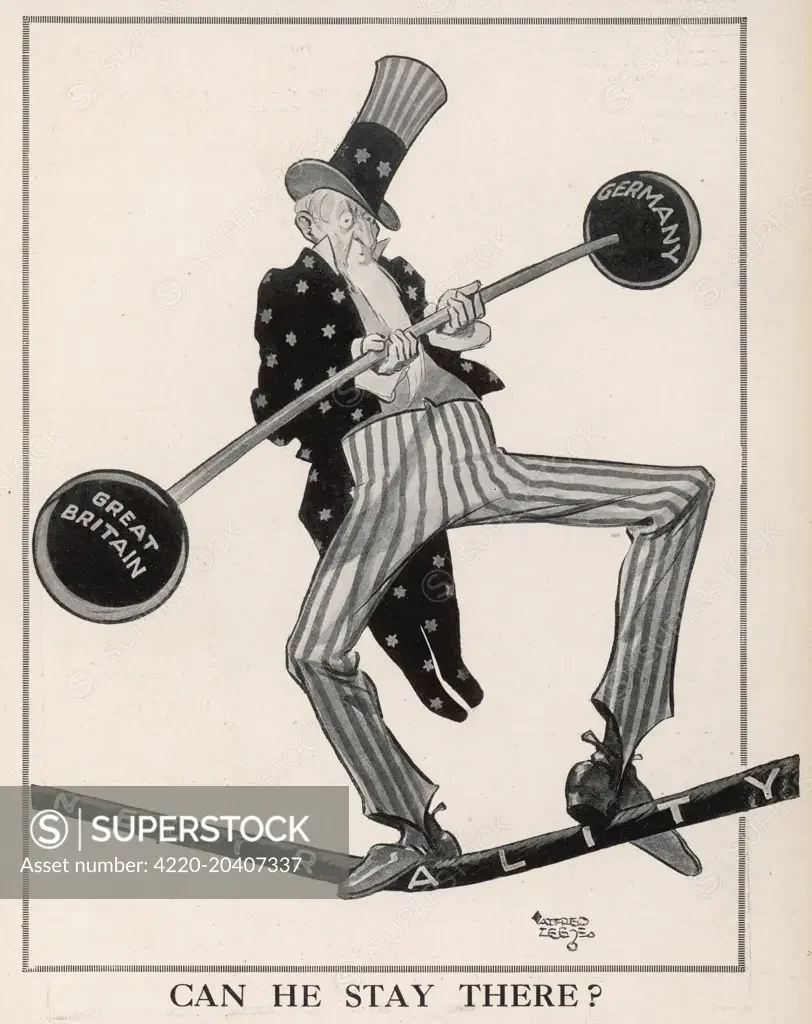
DIPLOMATS & SECRETARY OF STATE
Your Core Belief:
Avoid war through negotiation.
Priorities:
Maintain diplomatic stability
Use protest notes before force
Keep U.S. from choosing sides publicly
Key Concerns:
British propaganda dominance
German unrestricted submarine warfare
Sussex Pledge credibility
Mexico being drawn into European conflict (Zimmermann)
You Prefer:
☐ Ultimatums
☐ Negotiated pledges
☐ Public diplomacy
War is failure.
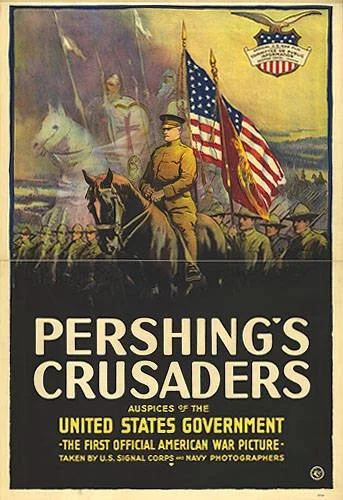
MILITARY ADVISORS (General John J. Pershing & Franklin D. Roosevelt Perspective)
Your Core Belief:
Preparedness prevents disaster.
Context:
Mexico unstable (Villa raids, Veracruz)
German U-boats escalating
Potential two-front threat (Mexico + Germany)
Priorities:
Military readiness
Border security
Protect American ships
You Argue:
If war comes, better prepared than surprised.
Neutrality without strength invites aggression.
ECONOMIC & BANKING INTERESTS
Your Core Belief:
Economic stability = national strength.
Facts from Notes:
$2.3 billion loaned to Britain & France
$27 million loaned to Germany
War-time economic boom
Your Concerns:
Allied defeat threatens repayment
Trade routes endangered by U-boats
War boosts production
Quiet Reality:
Neutrality is profitable — but only if Allies survive.

PUBLIC OPINION & PRESS
You Represent:
“Hyphenated Americans” (1/3 of population)
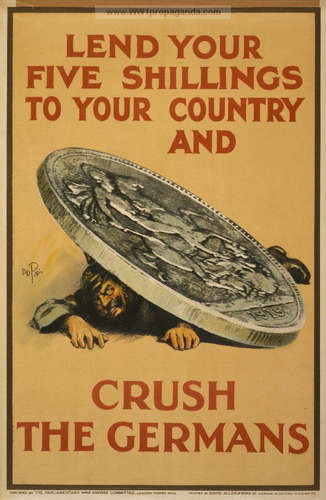
Anti-German propaganda
“Rape of Belgium” stories
Shock over Lusitania
You Track:
Public anger
Fear
Ethnic divisions
Patriotism
You can:
☐ Escalate outrage
☐ Calm tensions
☐ Demand action
Public opinion can force Congress.
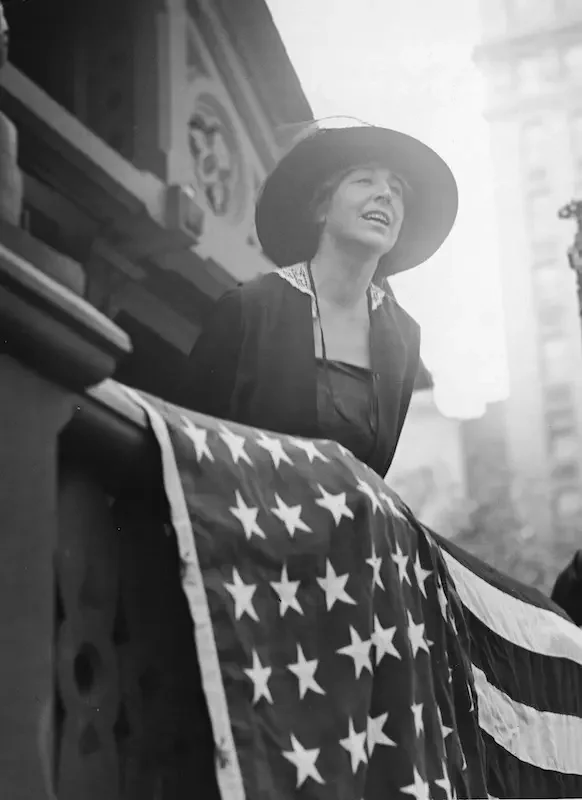
PROGRESSIVE PEACE COALITION (Jeanette Rankin)
Your Core Belief:
War destroys democracy.
Anchors:
Wilson’s early neutrality declarations
Women’s suffrage movement
Moral opposition to war
Progressivists think war is a distraction from the important issues at home
Your Argument:
War profiteers benefit
Democracy cannot be spread through violence
Neutrality preserves American ideals
You are the conscience of the room.